Ballroom Dancing When You're an Introvert (Yes, It Still Works)
The idea of ballroom dancing — a room full of strangers, constant partner rotation, small talk between songs — sounds like an introvert’s nightmare on paper, which keeps a lot of people from trying a form of dance that actually plays to several introverted strengths once you’re inside it. Here is why the social format worries people unnecessarily, the structural aspects that suit introverts specifically, and how to find the right class format.
Why the Social Format Worries People Unnecessarily
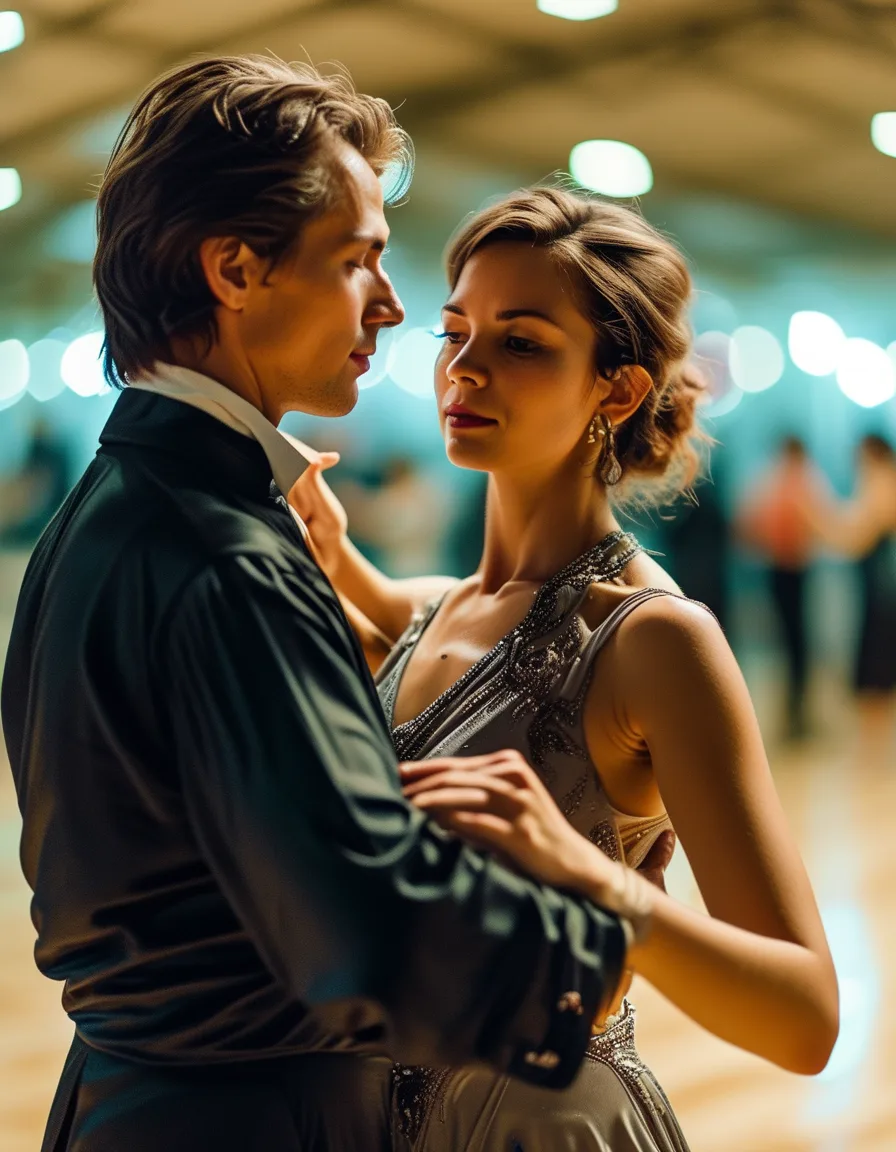
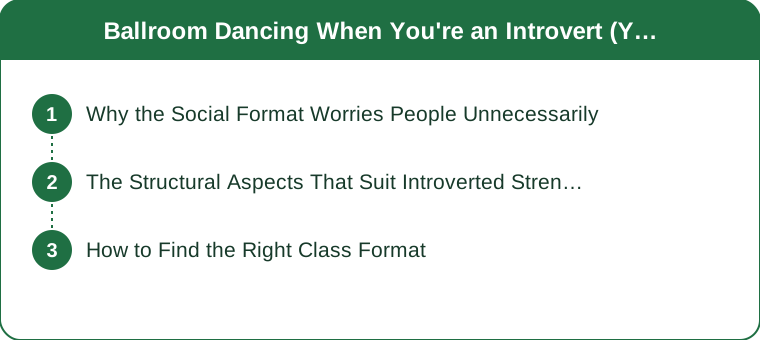
The mismatched expectation: the the-structure-replaces-small-talk (the ballroom’s formal structure — the frame, the steps, the counts — giving dancers something specific to focus on other than open-ended conversation — the structure-fills-the-silence-not-you), the the-partner-rotation-is-brief-and-scripted (the rotating-partner formats in class typically lasting only a few minutes per partner with a clear task — the brief-and-purposeful-not-open-ended-socializing), the the-non-verbal-connection-is-the-point (the actual skill of ballroom being largely non-verbal — leading and following through physical connection — which suits people who prefer expressing through action over talk — the it’s-a-physical-skill-not-a-conversational-one), the the-everyone-is-slightly-awkward-at-first (the shared beginner awkwardness across the whole room normalizing discomfort rather than isolating any one person — the shared-awkwardness-is-oddly-comforting), the the-focus-inward-on-technique (the beginner focus staying almost entirely on your own frame and footwork, not on performing socially — the internal-focus-crowds-out-social-anxiety), and the reframe (the social-format fear as mismatched with the actual experience — the structure and task-focus of ballroom often occupy the exact bandwidth that would otherwise go to social anxiety).
The Structural Aspects That Suit Introverted Strengths
What actually plays to introvert strengths: the the-deep-focus-on-a-single-skill (the ballroom rewarding sustained, detailed focus on a narrow skill set — exactly the kind of deep-work introverts often prefer over broad small talk — the deep-focus-is-an-introvert-strength), the the-preparation-and-practice-rewarded (the solo practice at home directly improving class performance, giving introverts a way to excel outside the social moment itself — the solo-prep-counts-for-a-lot), the the-observation-skill-transfers (the careful observation of a partner’s movement and rhythm being a core skill, and introverts often observe well — the watching-closely-is-a-real-advantage), the the-smaller-class-option-exists (the many studios offering smaller, quieter class formats or even private lessons for those who prefer less group energy — the you-can-choose-your-format), the the-connection-without-performance-pressure (the ballroom’s partnered connection happening through movement rather than through being outgoing or entertaining — the connection-doesn’t-require-extroversion), and the frame (the structural fit as deep focus, solo-practice payoff, observation skill, flexible class sizing, and connection through movement rather than performance — introverted strengths that the format rewards rather than penalizes).
How to Find the Right Class Format
The practical search: the ask-about-class-size-upfront (the calling ahead to ask typical class size before committing, since smaller groups reduce social load significantly — the smaller-groups-lower-the-bar), the the-consider-private-lessons-first (the starting with a few private lessons to build basic comfort before joining a group class — the private-first-group-later), the the-look-for-technique-focused-classes (the classes explicitly framed around technique over social mixing tending to suit introverts better than purely social dance nights — the technique-framing-signals-the-right-vibe), the the-bring-a-known-partner-if-possible (the attending with a friend or partner removing the need to rotate with strangers at all in many formats — the a-known-partner-changes-everything), the the-give-it-three-classes-before-judging (the the initial adjustment period typically easing noticeably by the third class as the structure becomes familiar — the familiarity-comes-fast-once-you-know-the-pattern), and the frame (the practical search as checking class size, starting private if needed, seeking technique-focused formats, bringing a known partner where possible, and giving it three sessions — small choices that shape the whole experience toward what actually suits an introvert).
Ballroom dancing sounds like an introvert’s nightmare on paper — strangers, partner rotation, constant social contact — but the actual experience is largely task-focused and non-verbal, with the structure of frame, steps and counts occupying the mental bandwidth that would otherwise go to social anxiety. The format plays directly to introverted strengths: deep focus on a narrow skill, solo practice that pays off visibly in class, careful observation of a partner’s movement, and connection built through physical coordination rather than performance or small talk. Find the right entry point by asking about class size before committing, considering a few private lessons first, seeking technique-focused rather than purely social class formats, bringing a known partner if possible, and giving it about three sessions before judging — the initial unfamiliarity eases faster than expected once the pattern becomes clear.
Keep Reading
This article is for general informational and styling purposes only. Fit, sizing, and product availability may vary.