Ballroom Dance for Beginners: Posture, Poise and Permission to Laugh
Ballroom dance has two entry requirements people imagine and neither exists: a partner, and coordination. Studios pair everyone by rotation, and coordination is the OUTPUT, not the prerequisite. What you actually need is one intro class and permission to laugh at yourself. Both are cheap.
Which Dance to Start With
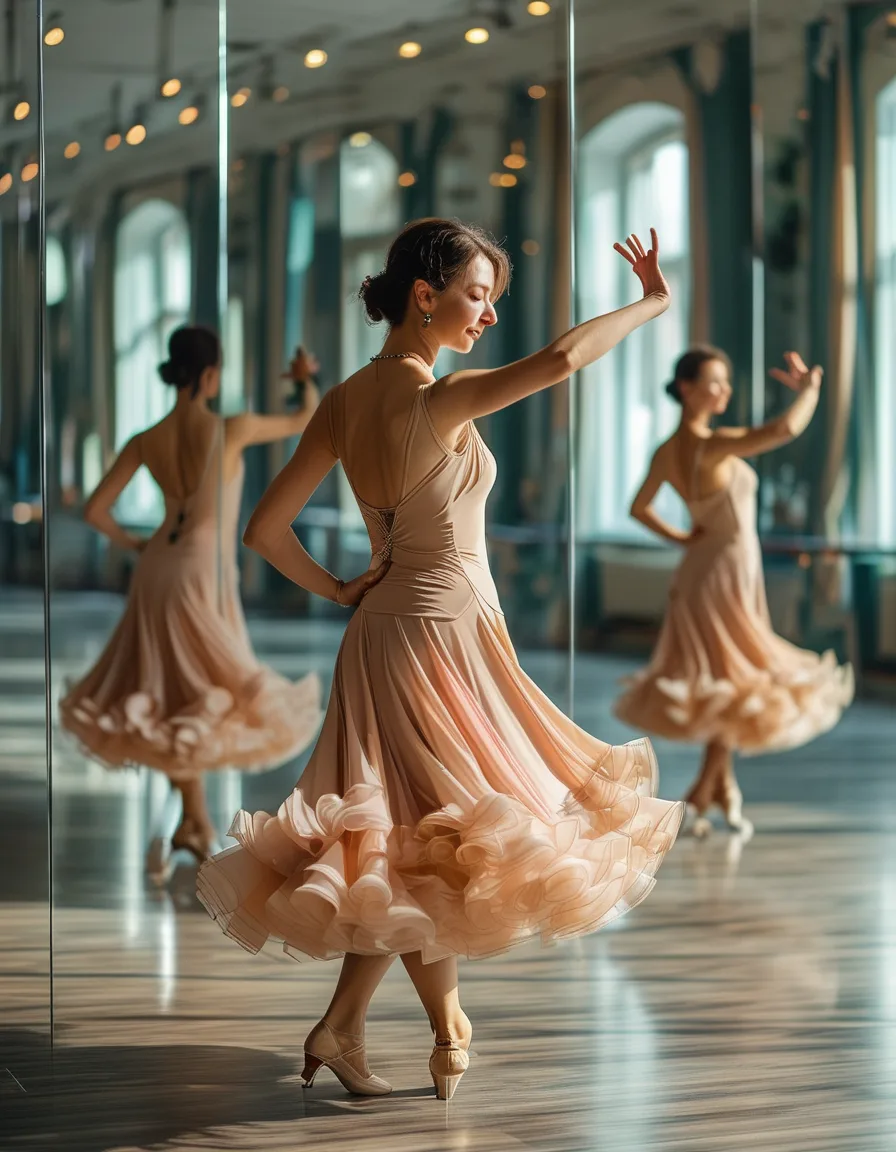
The beginner menu: rumba (slow, forgiving, teaches weight transfer — the common first dance), swing (fast, bouncy, impossible to do while frowning), waltz (the posture masterclass), and cha-cha (for when your hips are ready to be publicly ambitious). Intro programs sample several; your favorite picks itself. There is no wrong door — every dance teaches the same foundation wearing different music.
The Frame That Fixes Your Posture
Ballroom’s secret export is the frame: shoulders settled, ribs lifted, head floating — held for an hour while moving. It’s the posture-correction routine physical therapists prescribe, disguised as elegance, and dancers carry it out of the studio permanently (you can spot a ballroom person across a parking lot). Desk workers report their backs noticing the difference within weeks.
Secretly Interval Training
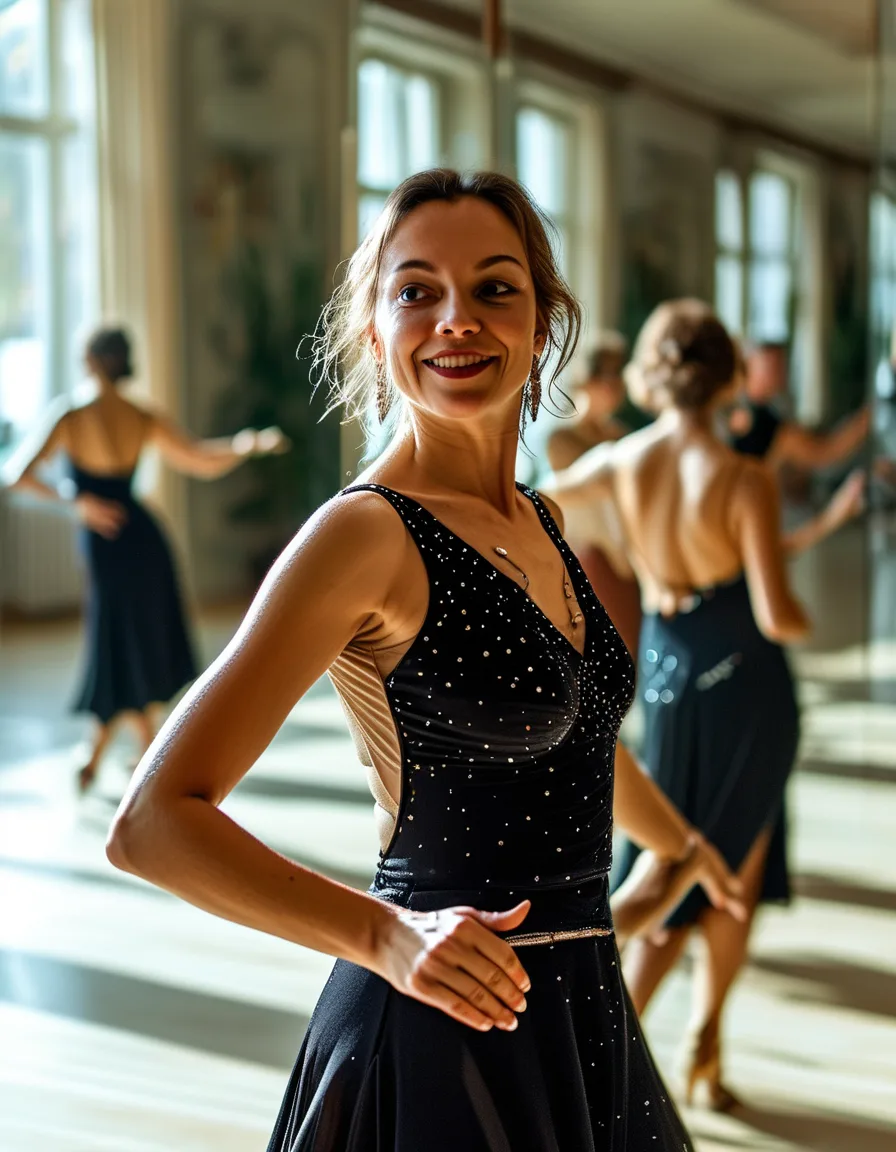
The fitness fine print: a social dance evening is hours of intermittent movement — a swing song is a legitimate cardio interval, a waltz is active recovery, and the whole evening logs miles without a single moment that feels like exercise. Add the balance, coordination and brain-training load of learning patterns (choreography is memory work at full speed) and ballroom quietly checks boxes most gym routines miss.
The Social Contract
What newcomers should know: rotation is standard in group classes (you’ll dance with everyone — it accelerates learning and eliminates the ‘need a partner’ myth), the etiquette is warm and codified (everyone remembers being new; the community is famously kind to beginners), and the dress code for class one is just clothes-you-can-move-in plus shoes that pivot (smooth soles beat sneakers; the sneaker squeak is the beginner’s anthem). The laughing is mandatory and mutual.
Rotate partners, build the frame, let swing raise your heart rate. Ballroom’s prerequisites were always imaginary — one intro class, pivoting shoes, and the poise arrives on schedule.
Keep Reading
This article is for general informational and styling purposes only. Fit, sizing, and product availability may vary.