Latin vs Standard: Ballroom's Two Families, Decoded for Beginners
Ballroom is actually two sports wearing one name: Standard (the gliding, closed-hold waltzes of period dramas) and Latin (the hip-driven rumbas and cha-chas of, well, everything fun). Beginners eventually pick a lean — here’s the honest comparison that helps you pick yours.
The Standard Family
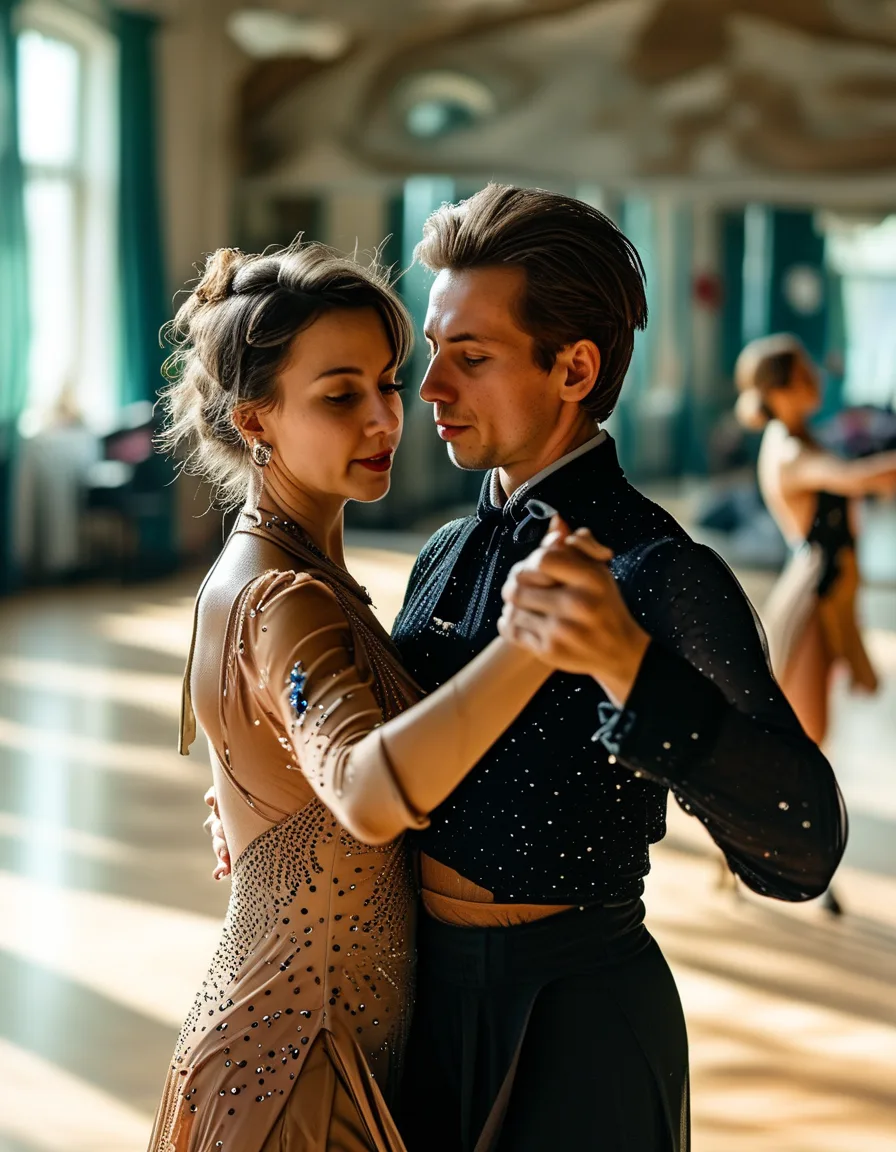
The gliding five: waltz (the breathing, rising-falling classic), foxtrot (the smooth walking dance of old Hollywood), tango (the staccato drama), Viennese waltz (the spinning marathon) and quickstep (the cardio one with a smile). The family signature: the closed hold NEVER breaks (the couple moves as one frame around the floor — the connection-and-posture discipline is the entire art), the travel (Standard flows counterclockwise around the room — floorcraft is a skill), and the feel: elegant, architectural, meditative-once-it-clicks.
The Latin Family
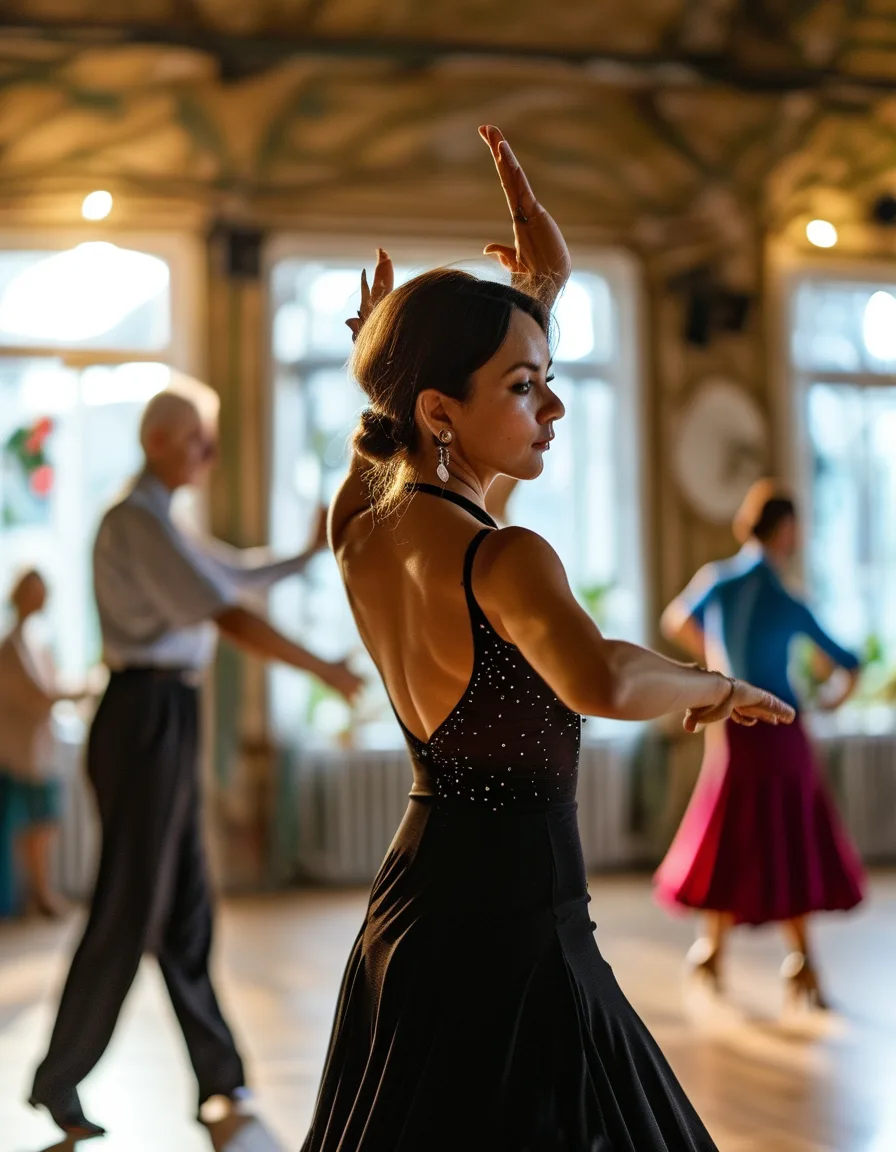
The rhythm five: cha-cha (playful precision), rumba (the slow, hip-driven heart of the family), samba (the bouncing carnival), paso doble (the bullfight drama) and jive (the kicking, flicking cardio finale). The family signature: hip action from bent-and-straightening knees (the famous ‘Cuban motion’ — learnable mechanics, not genetics), the open-and-closed positions (partners separate, spin, reconnect — more individual styling than Standard allows), and the feel: expressive, grounded, unapologetically fun.
The Body and Music Differences
What each demands: Standard trains posture and frame endurance above all (the hold is a plank nobody calls a plank — backs and cores work overtime; the balletcore-posture crowd finds a home here), Latin trains hip mobility and rhythm precision (the knee-hip mechanics plus the syncopated timing — the coordination puzzle is the fun), and the music tells you everything (drawn to strings-and-sweep? Standard. To percussion-and-groove? Latin. Your playlist already voted).
The Choosing Guide
The practical answer: beginners learn BOTH at first (social-dance foundations classes mix them — waltz and cha-cha in the same course; the lean emerges by month three on its own), the personality shortcuts (love structure, elegance and moving-as-one → Standard; love expression, rhythm and a little theater → Latin), the body honesty (neither requires a body type — both scale to every age and build at social level), and the secret third answer: most lifelong ballroom dancers keep both (Standard for the meditative nights, Latin for the party ones — two sports, one hobby, double the closet). The families were never rivals; they’re a complete set.
Standard glides in hold, Latin grooves in hips, your playlist already chose. Ballroom’s two families are one hobby with two moods — learn both, lean where the music pulls.
Keep Reading
This article is for general informational and styling purposes only. Fit, sizing, and product availability may vary.