5 Ballroom Frame Fixes for 5 Specific Dances Where Frame Breaks Down Differently
Quick Answer: Frame breaks down differently by dance: waltz frame sags on rise-and-fall, foxtrot frame collapses on long walking steps, tango frame gets too rigid, cha-cha frame loosens during hip action, and rumba frame drops during slow sustained movements — the fix has to match the specific dance’s demand, not a single generic frame cue.
Most frame advice treats ‘frame’ as one universal skill to fix once and carry into every dance. In practice, the specific way frame breaks down — and the fix for it — is different in a fast cha-cha than in a slow, sustained rumba.
Dance 1: Waltz — Frame Sagging on Rise and Fall
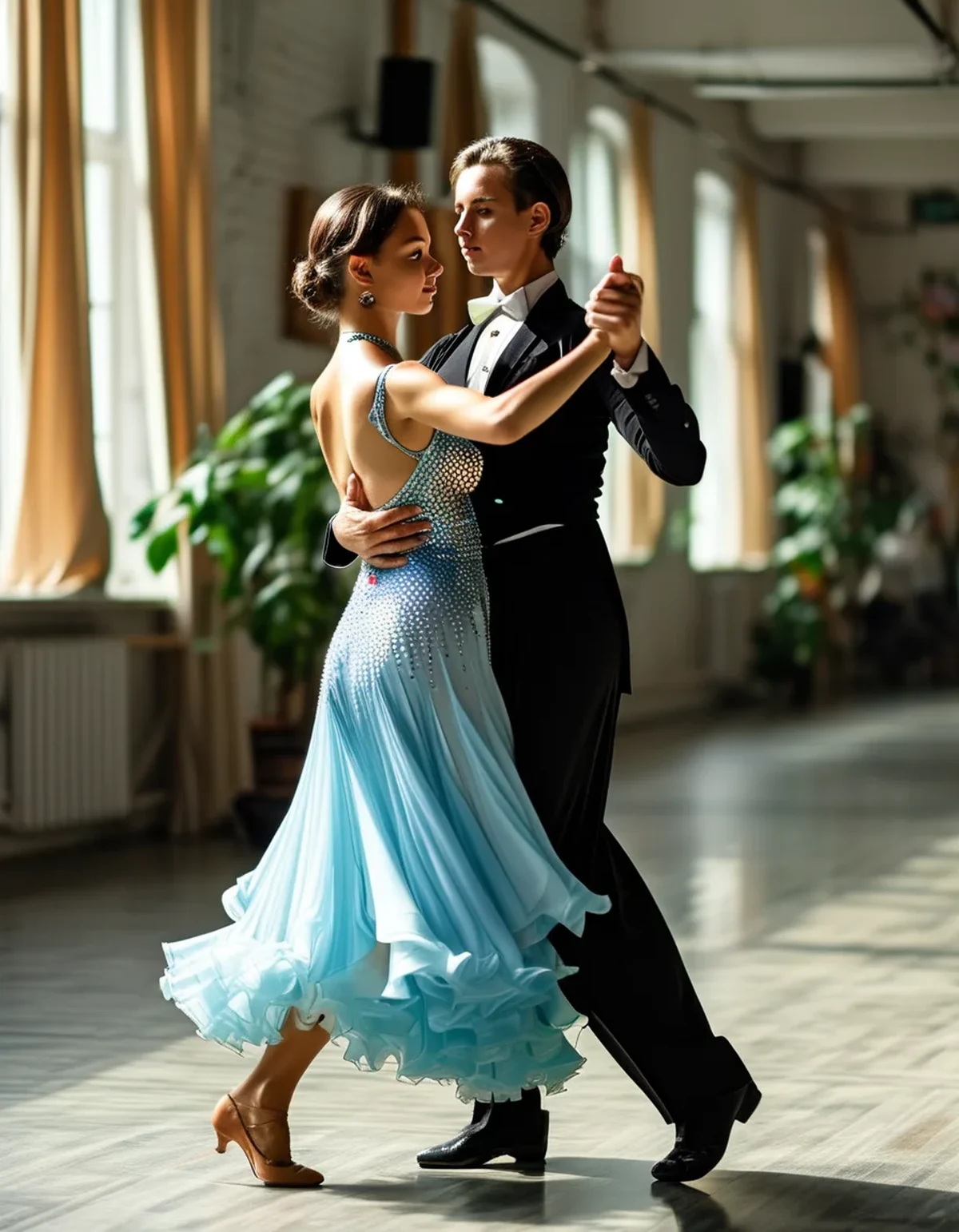
The rise-and-fall movement unique to waltz puts vertical stress on frame that other dances don’t have, and frame commonly sags right at the top of the rise when arm strength alone can’t sustain it.
Fix: Engage the back and shoulder blades, not just the arms, to hold frame height — the lift should come from posture, not from gripping harder with the arms.
Dance 2: Foxtrot — Frame Collapsing on Long Walking Steps
Foxtrot’s longer, more extended walking steps stretch frame further than compact dances, and frame often collapses inward as the step extends to its full length.
Fix: Maintain consistent frame width throughout the full extension of each step, actively resisting the pull inward rather than only holding frame at the starting position.

Dance 3: Tango — Frame Becoming Too Rigid
This is the opposite problem — tango’s sharp, staccato style pushes many dancers toward over-tensing frame into rigidity, which actually restricts the sharp directional changes tango requires.
Fix: Firm but not locked — frame should hold shape with muscular engagement while still allowing the quick directional shifts tango demands, which a fully rigid frame prevents.
Dance 4: Cha-Cha — Frame Loosening During Hip Action
The Latin hip action central to cha-cha can pull focus away from upper body frame, and frame commonly loosens or drops as attention shifts downward to the hips.
Fix: Practice hip action and frame separately at first, then combine — many dancers find frame maintenance becomes automatic in hip action drills only after the two are trained independently and then merged.
Dance 5: Rumba — Frame Dropping During Slow Sustained Movements
Rumba’s slow tempo removes momentum that can otherwise help sustain frame passively, meaning frame relies entirely on active muscular hold rather than any assist from movement speed.
Fix: Build specific frame-holding endurance with slow, sustained practice holds — since rumba’s slowness is exactly what exposes frame weakness that faster dances can mask.
TL;DR:
- Frame problems differ by dance — matching the fix to the specific dance’s demand works better than a generic cue
- Waltz: engage back/shoulders for rise-and-fall support, not just arms
- Tango: firm but not rigid, to allow sharp directional changes
- Rumba’s slow tempo exposes frame weakness other dances can mask — build sustained-hold endurance specifically
One frame cue doesn’t fit every ballroom dance — the fix that works for waltz can be the wrong fix for tango.
Keep Reading
This article is for general informational and styling purposes only. Fit, sizing, and product availability may vary.