Ballroom Floorcraft (Moving Around a Crowded Floor Without Collisions)
Plenty of dancers learn their steps beautifully in a class of six couples and then freeze at a social dance, because nobody taught them the actual skill of navigating a crowded floor. Floorcraft is a separate discipline from technique. Here is why it matters, the rules that govern the floor, and how to practise it.
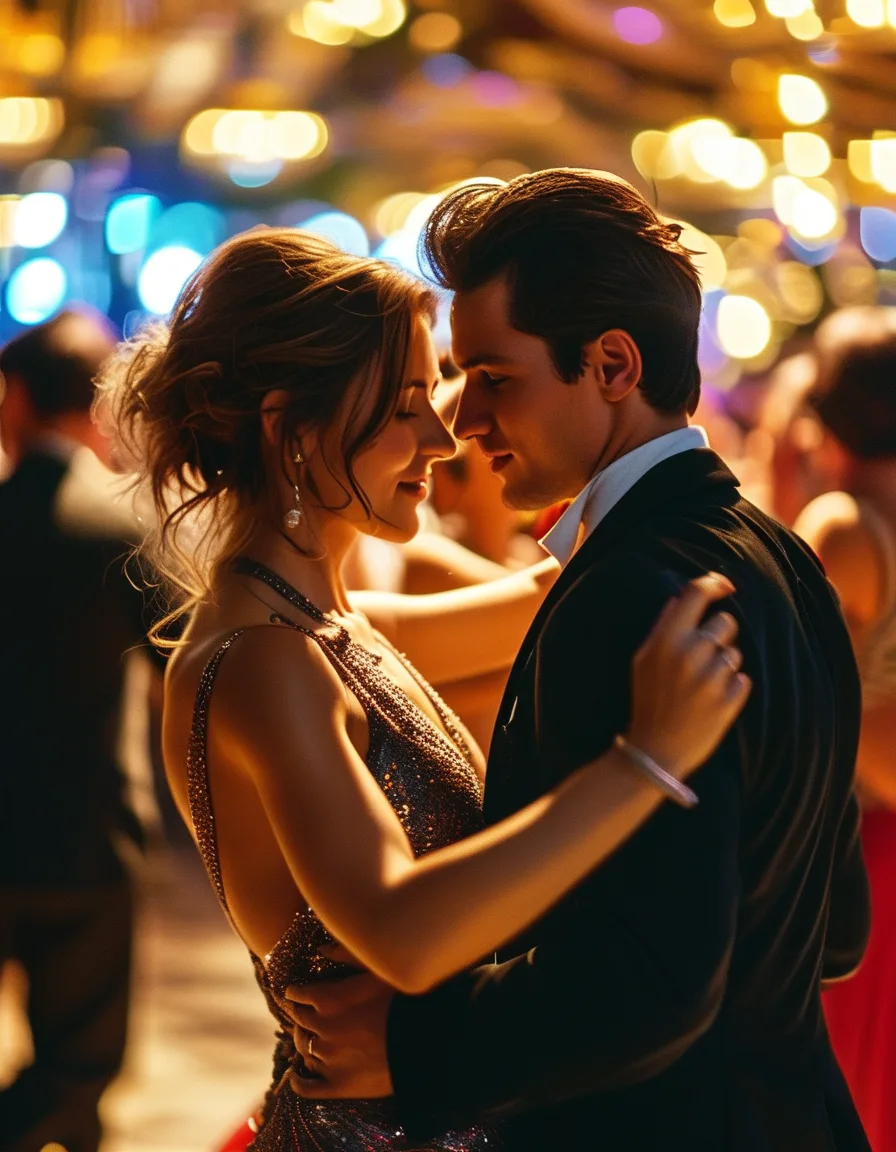
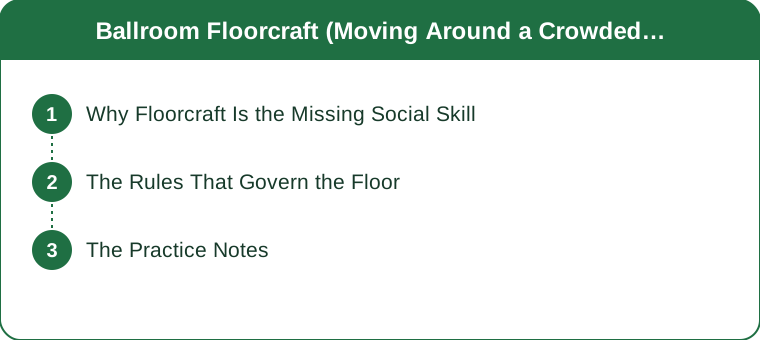
Why Floorcraft Is the Missing Social Skill
Steps are not enough: the the-class-floors-are-empty (the class conditions bearing no resemblance to a social floor from the beginner-guide logic — the class-floors-are-empty), the the-routines-do-not-survive-traffic (the memorised routines collapsing in traffic from the beginner-guide logic — the routines-fail-in-traffic), the the-collisions-are-the-real-fear (the fear of collisions stopping people dancing socially from the frame logic — the collision-fear), the the-the-leader-carries-the-navigation (the navigation being the leader’s responsibility from the frame logic — the leader-navigates), the the-it-is-a-separate-skill (the floorcraft being a distinct skill from technique from the beginner-guide logic — the separate-skill), and the reframe (the floorcraft as the missing social skill — a separate discipline from technique, and the reason class-perfect dancers freeze at a real dance).
The Rules That Govern the Floor
How the floor works: the the-line-of-dance (the travelling dances moving anticlockwise around the floor from the standard logic — the line-of-dance), the the-outside-lane-travels-faster (the the outer lane being for faster-moving couples from the standard logic — the outer-lane-faster), the the-centre-is-for-stationary-figures (the the centre being for spot dances and stationary work from the latin-vs-standard logic — the centre-for-spot), the the-do-not-reverse-against-the-flow (the never travelling against the line of dance from the standard logic — the never-reverse), the the-leaders-look-ahead (the leaders scanning ahead over the follower’s shoulder from the frame logic — the look-ahead), the the-shorten-the-step-in-traffic (the shortening steps rather than stopping dead from the beginner-guide logic — the shorten-not-stop), the the-apologise-and-move-on (the acknowledging a bump and continuing from the beginner-guide logic — the apologise-and-continue), and the the-spot-dances-stay-out-of-the-lane (the spot dances staying clear of the travelling lane from the latin-vs-standard logic — the spot-stays-clear).
The Practice Notes
Building the skill: the the-learn-figures-you-can-shorten (the learning figures that adapt to available space from the beginner-guide logic — the adaptable-figures), the the-practise-changing-direction (the practising redirecting mid-figure from the beginner-guide logic — the change-direction), the the-a-repertoire-of-short-figures (the a bank of compact figures for tight spots from the beginner-guide logic — the short-figures), the the-keep-the-frame-under-pressure (the maintaining frame while navigating from the frame logic — the frame-under-pressure), the the-go-to-social-dances-early (the attending social dances early rather than waiting from the beginner-guide logic — the go-early), the the-dance-at-the-edges-first (the starting at quieter parts of the floor from the beginner-guide logic — the edges-first), the the-followers-can-help-by-staying-responsive (the followers helping by staying responsive rather than anticipating from the frame logic — the stay-responsive), and the frame (the floorcraft as navigation — line of dance, lane discipline, looking ahead and shortening steps — practised at social dances rather than in class — moving around a crowded floor without collisions. Learn the line of dance and lane rules, keep looking ahead, shorten steps rather than stopping, and go to social dances early).
Plenty of dancers learn their steps beautifully in a class of six couples and then freeze at a social dance, because nobody taught them the actual skill of navigating a crowded floor. Floorcraft is the missing social skill because class floors are empty, routines do not survive traffic, collisions are the real fear, the leader carries the navigation, and it is a separate skill. The rules: the line of dance, the outside lane travels faster, the centre is for stationary figures, never reverse against the flow, leaders look ahead, shorten the step in traffic, apologise and move on, and spot dances stay out of the lane. Practise by learning figures you can shorten, changing direction, building a repertoire of short figures, keeping the frame under pressure, going to social dances early, dancing at the edges first, and followers staying responsive. Moving around a crowded floor without collisions.
Keep Reading
This article is for general informational and styling purposes only. Fit, sizing, and product availability may vary.