Ballroom Dance Shoes: Why the Wrong Pair Sabotages Progress More Than Skill Level Does
New ballroom dancers often show up in whatever shoes are comfortable — sneakers, flats, regular heels — and then wonder why turns feel unstable and frame feels harder to hold than it should. The shoes are often a bigger factor than the skill level. Here is why regular shoes actively work against ballroom technique, what actually makes a dance shoe different, and how to buy the right pair without overspending early on.
Why Regular Shoes Actively Work Against Ballroom Technique
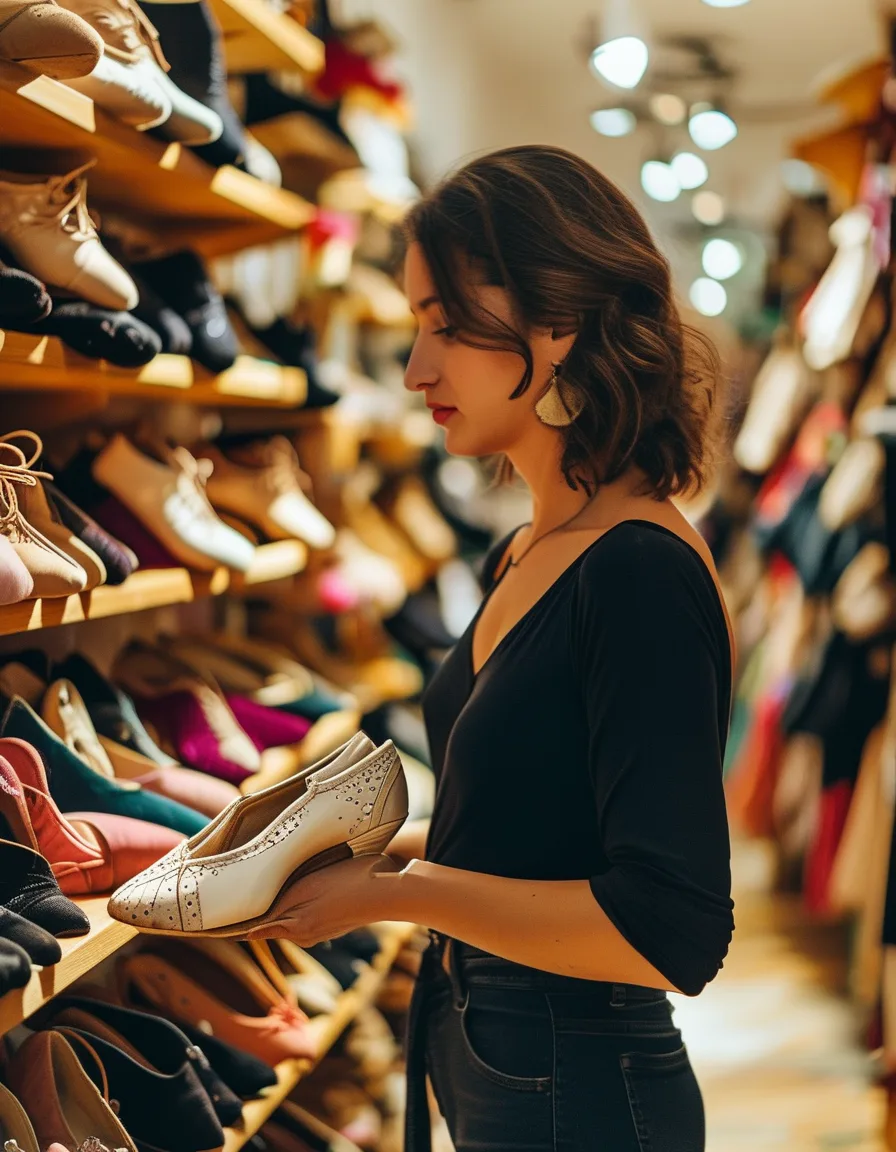
The mechanical mismatch: the rubber-soles-grip-too-much (the rubber outsoles on sneakers and regular shoes gripping the floor so much that pivots and turns, core to the ballroom-dance-frame-guide fundamentals, become genuinely difficult or knee-stressing — the too-much-grip-fights-the-turn), the the-heel-height-and-shape-affects-posture (the wrong heel height changing weight distribution through the whole body, undermining the frame and posture the entire partnership depends on — the posture-starts-at-the-shoe), the the-flexibility-of-the-sole-matters (the stiff regular-shoe soles preventing the pointed-toe, rolled-through weight transfer that smooth footwork actually requires — the stiff-sole-blocks-proper-weight-transfer), the the-fit-precision-affects-balance (the regular shoes typically fitting looser than a dance shoe is designed to, undermining the precise balance control needed for spins and holds — the loose-fit-undermines-fine-balance-control), the the-latin-vs-smooth-needs-differ-too (the Latin and standard/smooth ballroom styles, per the latin-vs-standard-guide, actually requiring somewhat different shoe properties, which a regular shoe can’t approximate for either — the neither-style-is-served-by-a-regular-shoe), and the reframe (the shoe mismatch as a real technical obstacle, not a minor comfort preference — it can make correctly executed technique physically harder to achieve).
What Actually Makes a True Dance Shoe Different
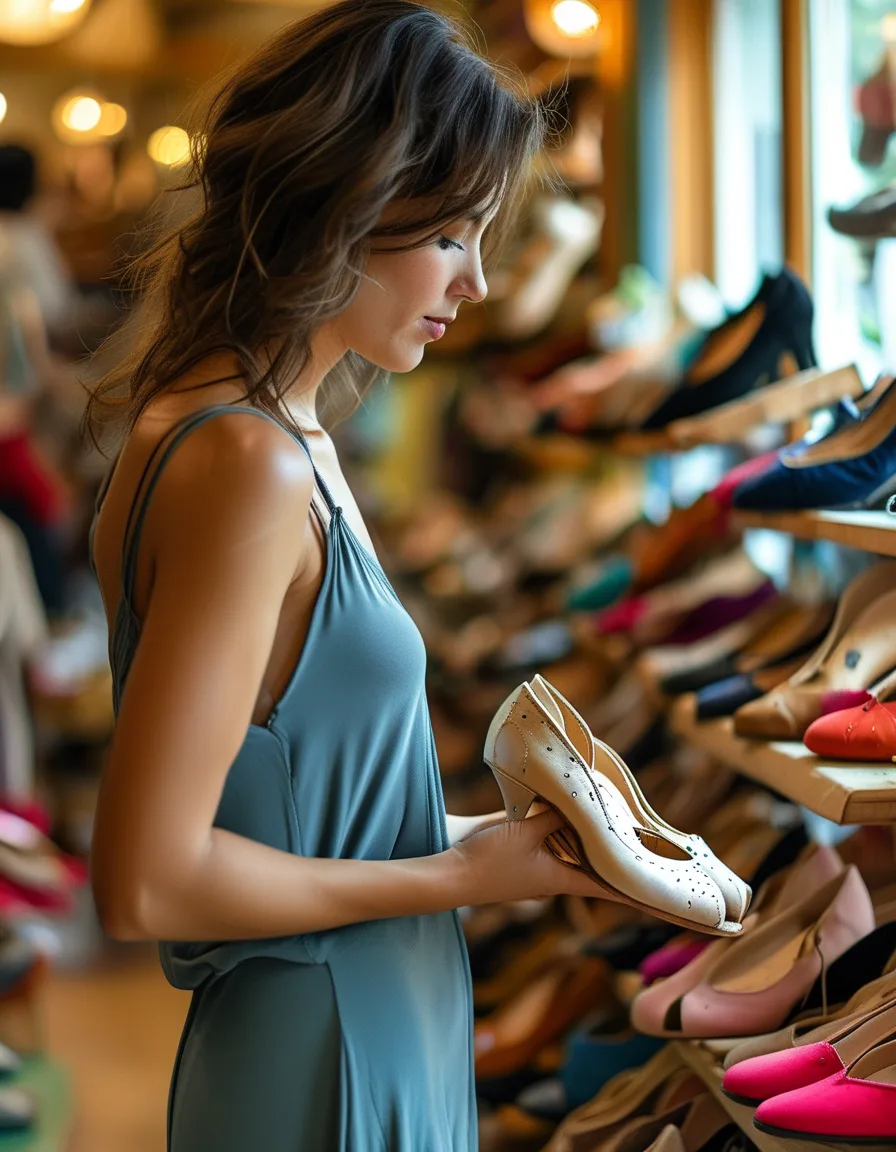
The specific features: the the-suede-sole (the suede sole providing controlled grip — enough to prevent slipping, not so much that it locks the pivot — the exact balance regular rubber can’t offer — the suede-is-the-defining-feature), the the-flexible-shank-construction (the sole built to flex and support the pointed, rolled weight transfer of actual footwork rather than staying rigid — the flexibility-enables-correct-technique), the the-precise-narrower-fit (the dance shoes generally fitting closer and more precisely to the foot than street shoes, supporting fine balance control — the snug-fit-supports-precision), the the-heel-height-calibrated-to-style (the standard heel heights differing by dance style and gender convention, calibrated specifically for the postural demands of each — the heel-height-isnt-arbitrary), the the-strap-or-closure-systems (the secure strap systems keeping the shoe anchored through fast footwork in a way slip-on street shoes can’t reliably do — the security-during-movement-matters), and the frame (the true dance shoe as defined by its suede sole, flexible shank, precise fit, style-calibrated heel, and secure closure — engineered specifically for the mechanics ballroom dancing actually demands, not just styled to look the part).
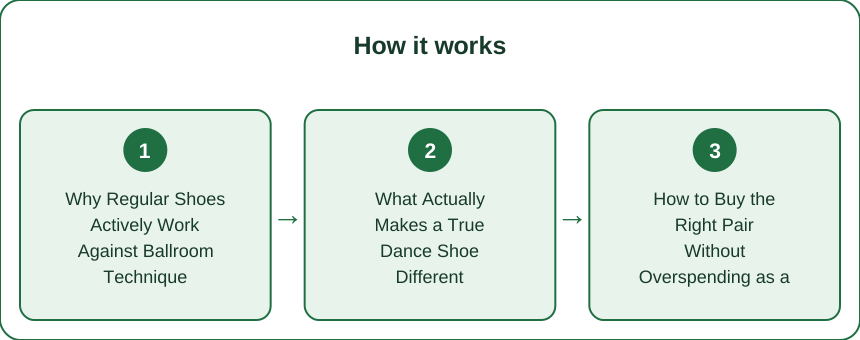
How to Buy the Right Pair Without Overspending as a Beginner
The practical approach: the start-with-a-mid-range-practice-pair (the not needing the most expensive competition-grade shoe for early classes, when a solid mid-range practice shoe serves the same technical purpose, from the ballroom-dance-beginner-guide logic — the technique-needs-dont-scale-with-price-at-the-beginner-stage), the the-get-professionally-fitted-once (the a single proper fitting at a dance shoe retailer preventing the far more expensive mistake of buying the wrong size repeatedly — the one-good-fitting-saves-money-long-term), the the-suede-sole-scuff-protectors (the a rubber sole protector for outdoor walking to and from the studio, preserving the suede sole’s grip properties for the dance floor itself — the protect-the-investment-between-uses), the the-decide-style-specific-needs-before-buying (the confirming whether classes lean Latin, smooth, or a blend before choosing a shoe, since the two style categories have different optimal features — the know-your-style-before-you-shop), the the-resale-and-secondhand-options-for-beginners (the beginner dance shoe communities often having a secondhand or resale market worth checking before buying new, since fit needs can change as technique develops — the secondhand-is-reasonable-for-an-uncertain-beginner-stage), and the frame (the buying approach as a mid-range practice pair, one proper professional fitting, sole protectors for the walk in, style-specific consideration, and openness to secondhand early on — getting the shoe right matters more than getting the expensive shoe).
Regular shoes work against ballroom technique in specific, mechanical ways — rubber soles grip too much for turns and pivots, the wrong heel height throws off the posture the entire frame depends on, and stiff soles block the pointed, rolled weight transfer that footwork actually requires, while looser everyday fit undermines the fine balance control spins and holds need. A true dance shoe solves this with a suede sole calibrated for controlled rather than excessive grip, a flexible shank that supports correct weight transfer, a snug precise fit, a heel height calibrated to the specific dance style, and a secure strap closure. Beginners don’t need a competition-grade shoe to get these benefits — a solid mid-range practice pair, one proper professional fitting to get the size right the first time, sole protectors for walking to and from the studio, and openness to secondhand options while technique is still developing all keep the cost reasonable without sacrificing the actual technical benefit.
Keep Reading
This article is for general informational and styling purposes only. Fit, sizing, and product availability may vary.