Entering Your First Ballroom Dance Competition? Here's What Actually Helps
Quick Answer: Your first competition should focus on floorcraft and composure over flawless technique — judges score newcomer levels on fundamentals and presence, and most first-timers overprepare choreography while underpreparing for the logistics and nerves of the actual event day.
Signing up for your first competition is exciting and a little terrifying. Knowing what actually matters on the day changes how you prepare.

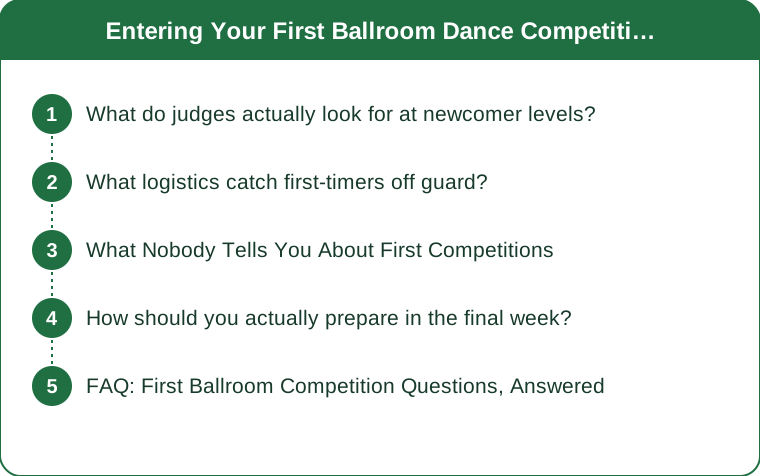
What do judges actually look for at newcomer levels?
At beginner and newcomer levels, judges are primarily scoring basic technique, timing, and floorcraft — not intricate choreography or advanced styling. Clean fundamentals executed confidently score better than ambitious moves executed shakily.
This means your prep time is better spent drilling your basics until they’re automatic than trying to add complexity you’re not ready to perform under competition nerves.
What logistics catch first-timers off guard?
Heat scheduling and wait times surprise almost everyone — your actual dance time might be minutes within a multi-hour event window, and the standing-around waiting is its own kind of tiring if you haven’t planned for it (snacks, water, comfortable shoes between heats).
Also commonly missed: confirming exactly which entry categories you’re registered for and double-checking music cuts with your studio ahead of time, not the morning of.

What Nobody Tells You About First Competitions
Nerves affect frame and posture before they affect footwork — most first-timers notice their upper body tensing under competition pressure well before their steps go wrong, so practicing your frame specifically under simulated pressure (in front of others, on unfamiliar floors) pays off more than extra footwork drilling.
Also underrated: floorcraft matters even at beginner level — being aware of other couples and adjusting your line without breaking frame is scored, and it’s rarely practiced enough in private lessons.
How should you actually prepare in the final week?
Shift from learning new material to polishing what you already know — the week before competition isn’t the time for new steps, it’s for making existing ones automatic under mild pressure.
Practice your routine on an unfamiliar floor if possible, since floor size and surface at the venue will differ from your regular studio, and that adjustment is easier to make in practice than for the first time on competition day.
FAQ: First Ballroom Competition Questions, Answered
How much should a beginner practice before their first competition?
Most instructors recommend consistent 2-3x/week practice for 6-8 weeks leading in, with the final week focused on polish rather than new material.
Is it normal to feel intense nerves before a first competition?
Yes, and it’s worth practicing your frame and composure under simulated pressure specifically, since nerves tend to hit posture before footwork.
Do newcomer-level judges expect perfect technique?
No — clean, confident fundamentals score better at this level than ambitious but shaky advanced moves.
TL;DR:
- Newcomer-level judging rewards clean fundamentals and floorcraft over complex choreography
- Heat wait times and logistics surprise most first-timers — plan for the whole event window
- Nerves hit frame and posture before footwork, so practice composure under pressure
- Spend the final week polishing existing material, not learning anything new
Your first competition is as much about composure and logistics as it is about dancing.
Keep Reading
This article is for general informational and styling purposes only. Fit, sizing, and product availability may vary.